
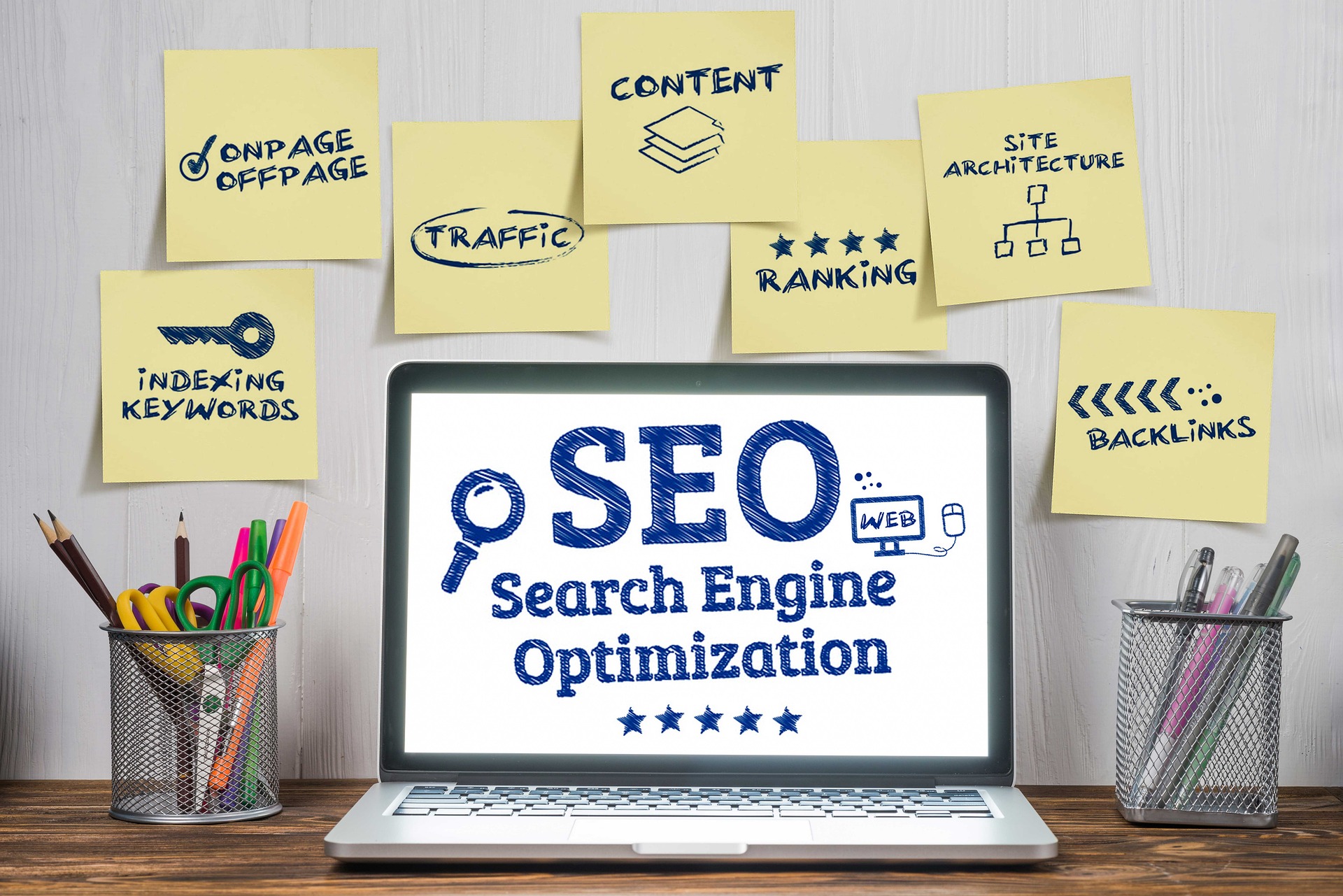
Search engine optimization, commonly known as SEO, has become one of the most important parts of building a successful online presence. Whether a business operates locally, serves customers internationally, publishes educational content, or runs an online store, effective SEO can help its website become more visible to people searching for relevant information, products, and services.
The keyword “SEO by Global Teaching Labs” can be understood as a search-focused topic connecting SEO principles with the educational and digital-learning environment associated with Global Teaching Labs. Learning SEO through an educational approach can help beginners understand not only how search engines work, but also how to create useful content, improve websites, research keywords, and build sustainable organic traffic.
This article explores the fundamentals of SEO, important optimization techniques, keyword research, content creation, technical SEO, link building, analytics, and practical strategies that can be applied to an educational or professional website.
What Is SEO?
SEO stands for Search Engine Optimization. It is the process of improving a website and its content so that search engines can better understand, index, and rank its pages.
When someone searches for a phrase such as “online teaching resources,” “SEO learning guide,” or “digital education tools,” search engines analyze numerous factors before presenting results. SEO helps websites communicate their relevance and value to search engines.
SEO generally includes several major areas:
- Keyword research
- Content optimization
- Technical SEO
- On-page SEO
- Off-page SEO
- Link building
- Website performance
- User experience
- Local SEO
- Analytics and performance measurement
A successful SEO strategy normally combines all of these areas instead of relying on a single technique.
Why SEO Matters for Educational Websites
Educational organizations and learning platforms often publish large amounts of valuable information. However, excellent content is not automatically easy to discover.
SEO can help educational websites reach students, teachers, researchers, parents, professionals, and other audiences who are actively searching for useful information.
For example, an educational website could publish resources about:
- Teaching methods
- Classroom technology
- Online learning
- Career development
- Educational programs
- STEM education
- Digital literacy
- Teacher training
- Student resources
- Research and academic topics
By optimizing these pages around relevant search intent, organizations can increase their chances of reaching the right audience.
Understanding Search Intent
One of the most important concepts in modern SEO is search intent.
Search intent refers to the reason behind a person’s search query. A person searching for “what is SEO” has a different goal from someone searching for “best SEO course” or “SEO consultant near me.”
Search intent can generally be divided into four categories.
Informational Intent
The user wants to learn something.
Examples include:
- What is SEO?
- How does keyword research work?
- What is technical SEO?
- How can I improve website rankings?
Informational searches are particularly important for educational content because users are often looking for detailed explanations.
Navigational Intent
The user is looking for a specific website, organization, or page.
For example, someone searching for “Global Teaching Labs” may already know the organization and want to find its official website or a specific resource.
Transactional Intent
The user intends to take an action such as purchasing a product, registering for a service, or enrolling in a course.
Commercial Investigation
The user is researching options before making a decision.
For example:
- Best SEO courses
- SEO training programs
- SEO tools comparison
- Best digital marketing training
Understanding intent allows content creators to produce pages that actually answer what users want.
Keyword Research for SEO
Keyword research is the foundation of many SEO campaigns.
A keyword is a word or phrase people enter into a search engine. The goal is not simply to find keywords with the largest search volume. Instead, effective keyword research considers relevance, competition, search intent, and the needs of the target audience.
For an educational website, keyword categories might include:
- SEO training
- Digital marketing education
- Online teaching resources
- SEO learning guide
- Search engine optimization course
- Website optimization
- Content marketing education
- Technical SEO training
- Keyword research tutorial
Long-tail keywords can also be extremely valuable.
For example, instead of targeting only “SEO,” a website might create content around phrases such as “how to improve SEO for an educational website” or “beginner SEO guide for teachers.”
These more specific searches can often attract highly relevant visitors.
Creating High-Quality Content
Content remains a central part of SEO.
However, successful content should not be created simply to place keywords on a page. It should provide genuine value to the reader.
A strong article should:
- Clearly address the topic.
- Provide accurate and useful information.
- Use logical headings.
- Answer common questions.
- Include relevant examples.
- Be easy to read.
- Avoid unnecessary repetition.
- Provide a positive user experience.
For an educational organization, content quality is especially important because visitors may rely on the information for learning and decision-making.
On-Page SEO
On-page SEO refers to optimization performed directly on a webpage.
Important elements include the page title, headings, content, URL, internal links, images, and metadata.
Page Titles
A page title helps search engines and users understand the primary subject of a page.
A good title should be descriptive and relevant rather than stuffed with repeated keywords.
Headings
Headings organize content into logical sections.
A typical article might use one main heading followed by several supporting H2 and H3 headings.
This structure improves readability and helps search engines understand the relationship between different sections.
Meta Descriptions
A meta description provides a short summary of a webpage in search results. Although it is not simply a ranking trick, a useful description can encourage users to click on a result.
URL Structure
Clean URLs are easier for both users and search engines to understand.
For example:
example.com/seo-guide
is generally more understandable than a long URL containing unnecessary numbers and parameters.
Internal Linking
Internal links connect one page of a website to another page on the same website.
For example, an article about SEO fundamentals could link to separate resources covering:
- Keyword research
- Technical SEO
- Content marketing
- Website analytics
- Link building
Internal linking helps visitors discover related information while also helping search engines understand the site’s structure.
A strong internal-linking strategy can be particularly useful for educational websites because learning resources naturally connect with one another.
Technical SEO
Technical SEO focuses on the underlying structure and performance of a website.
Important areas include:
- Website speed
- Mobile usability
- Crawlability
- Indexing
- XML sitemaps
- HTTPS
- Structured data
- Canonical URLs
- Redirects
- Broken links
- Website architecture
A website can contain excellent content but still experience SEO problems if search engines cannot efficiently crawl and index its pages.
Mobile Optimization
Many people access educational resources through smartphones and tablets.
A website should therefore provide a strong experience across different screen sizes.
Mobile-friendly design should include:
- Readable text
- Responsive layouts
- Easy navigation
- Properly sized buttons
- Fast loading pages
- Images optimized for mobile devices
Mobile optimization is not only an SEO consideration. It also directly affects usability.
Website Speed and Performance
Users generally prefer websites that load quickly.
Large images, unnecessary scripts, poor hosting configurations, and inefficient code can slow down a website.
Improving performance may involve:
- Compressing images
- Using modern image formats
- Reducing unnecessary scripts
- Improving server response time
- Implementing caching
- Optimizing page resources
A faster website can provide a better experience and reduce the likelihood that visitors leave before viewing the content.
Building a Strong Content Strategy
SEO works best when content is developed as part of a broader strategy.
An educational website can create content clusters around important subjects.
For example, a central article about SEO for beginners could connect to supporting articles about:
- Keyword research
- On-page SEO
- Technical SEO
- SEO writing
- Link building
- Search intent
- SEO analytics
This approach creates a structured knowledge base and gives users multiple ways to explore a topic.
Backlinks and Off-Page SEO
Off-page SEO refers to activities that take place outside a website but can influence its visibility and reputation.
One of the most recognized components is backlink acquisition.
A backlink occurs when another website links to a page on your website.
Not all backlinks are equally valuable. Links from relevant, trustworthy websites can be more useful than large numbers of low-quality or unrelated links.
Educational organizations may naturally earn links through:
- Research
- Original resources
- Educational guides
- Publications
- Partnerships
- Community projects
- Expert contributions
- Useful reference materials
The focus should be on earning genuine links rather than manipulating search rankings.
The Importance of Relevant Content
Relevance is essential.
If a page is about educational technology, it should primarily discuss topics related to educational technology rather than adding unrelated keywords simply because they have high search volume.
Search engines have become increasingly sophisticated at understanding topics and relationships between concepts.
Therefore, websites should focus on creating comprehensive resources around subjects that genuinely matter to their audience.
SEO and User Experience
SEO and user experience are closely connected.
A visitor who finds a webpage through search should be able to quickly understand:
- What the page is about
- Whether it answers their question
- Where to find additional information
- How to navigate to related resources
Good design, readable formatting, useful navigation, and clear information architecture can all contribute to a stronger website experience.
Measuring SEO Performance
SEO should be measured using meaningful performance indicators.
Common metrics include:
- Organic traffic
- Search impressions
- Search clicks
- Click-through rate
- Keyword visibility
- Conversions
- Engagement
- Indexed pages
- Referring domains
Traffic alone is not always the most important measurement.
For example, an educational website might receive fewer visitors from a highly specific keyword but generate much more meaningful engagement because those visitors are genuinely interested in its resources.
Common SEO Mistakes
Beginners often make several common SEO mistakes.
Keyword Stuffing
Repeating a keyword excessively can make content difficult to read and may create a poor user experience.
Publishing Thin Content
Short pages that provide little useful information generally do not offer much value.
Ignoring Technical Problems
Broken links, indexing problems, slow pages, and poor mobile usability can undermine otherwise strong content.
Buying Low-Quality Links
Large numbers of irrelevant or manipulative links can create SEO risks.
Copying Content
Original, useful content is preferable to simply reproducing material from other websites.
Focusing Only on Rankings
Rankings are useful, but the ultimate goal should be reaching the right audience and providing meaningful value.
How Beginners Can Learn SEO
Someone starting SEO education can follow a simple progression.
First, learn the fundamentals of how search engines discover and index webpages.
Next, study keyword research and search intent.
After that, learn on-page optimization and content development.
Then move into technical SEO, internal linking, off-page SEO, and analytics.
A practical learning path might look like this:
Step 1: Understand search engines.
Step 2: Learn keyword research.
Step 3: Study search intent.
Step 4: Practice writing optimized content.
Step 5: Learn technical SEO.
Step 6: Understand backlinks and digital authority.
Step 7: Analyze website performance.
Step 8: Continue testing and improving.
An educational approach such as the one suggested by the keyword “SEO by Global Teaching Labs” can be useful because SEO is easier to understand when theoretical concepts are combined with practical examples.
SEO Is a Long-Term Process
SEO rarely produces sustainable results overnight.
Websites usually need time to publish useful content, improve their technical foundation, build authority, and establish a consistent presence in search results.
A long-term SEO strategy should therefore prioritize:
- Consistency
- Quality
- Relevance
- Technical health
- User experience
- Original content
- Continuous measurement
Rather than trying to manipulate search results through shortcuts, website owners should focus on creating resources that people genuinely want to find.
The Future of SEO
Search is continuously evolving. Search engines increasingly rely on sophisticated systems to understand language, context, entities, user intent, and the quality of information.
This means SEO is becoming less about simply placing an exact keyword on a page and more about demonstrating comprehensive topical relevance and providing useful information.
Educational websites have an advantage in this environment because they can develop authoritative resources around clearly defined subjects.
Content that explains concepts accurately, answers questions thoroughly, provides original insight, and creates a strong user experience can remain valuable over time.
Final Thoughts
SEO by Global Teaching Labs represents a useful topic for exploring the relationship between education and search engine optimization. SEO is both a technical discipline and a content-focused practice. Successful optimization requires an understanding of search intent, keywords, content quality, website architecture, technical performance, links, analytics, and user experience.
For educational organizations, SEO can help valuable learning resources reach a wider audience. By creating helpful content, maintaining a technically sound website, organizing information clearly, and continuously improving based on data, an organization can establish a stronger and more discoverable online presence.
The most effective SEO strategy is not simply about achieving a higher position in search results. It is about connecting people with information that genuinely helps them. When SEO and education work together, websites can become easier to discover while providing lasting value to students, teachers, professionals, and the wider online community.