
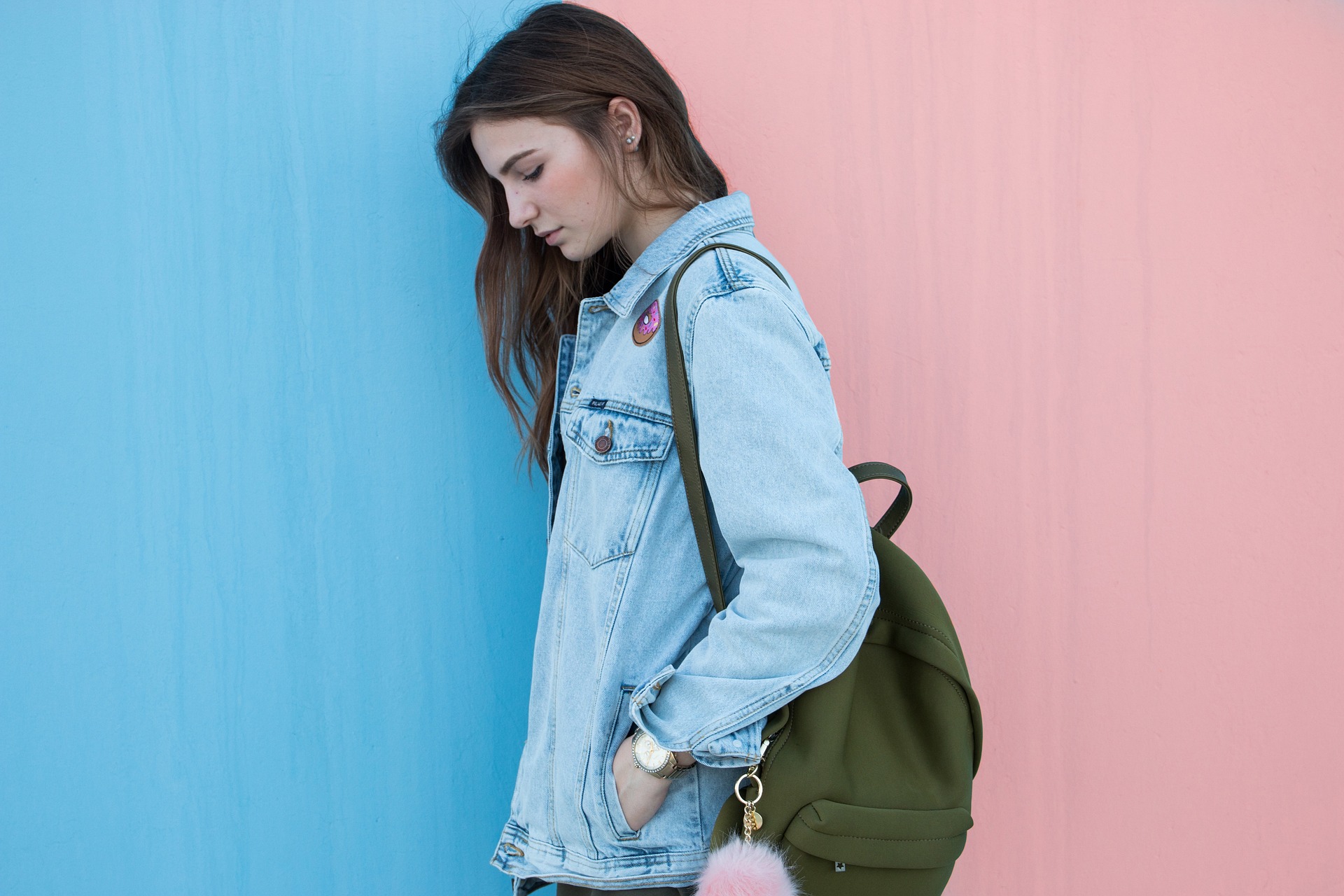
Fashion is entering an exciting new phase as designers, brands, and consumers prepare for the next generation of style. The fashion industry is constantly evolving, but the upcoming seasons are particularly interesting because they combine familiar influences from the past with modern technology, new materials, changing consumer preferences, and a growing desire for individuality.
The fashion of tomorrow will not necessarily be defined by one dominant trend. Instead, different styles are expected to exist alongside one another. Romantic clothing can appear alongside sporty pieces, vintage fashion can be combined with futuristic accessories, and traditional tailoring can be mixed with relaxed streetwear.
This diversity is one of the most exciting aspects of modern fashion.
As consumers become more interested in personal expression, clothing is increasingly being used as a way to communicate personality, lifestyle, creativity, and individuality. At the same time, technology is changing how people discover, purchase, customize, and even design clothing.
From bold colors and statement accessories to sustainable fashion and AI-powered shopping experiences, the upcoming fashion landscape has plenty to offer.
Fashion Is Moving Toward Individuality
One of the biggest changes taking place in fashion is the growing importance of individuality.
For years, social media helped create extremely fast-moving micro-trends. A particular aesthetic could become popular within weeks and then disappear just as quickly.
The upcoming fashion environment is becoming more flexible.
Instead of following one aesthetic from head to toe, consumers are increasingly combining different influences to create their own appearance.
A single outfit might include:
- Vintage clothing
- Modern tailoring
- Sportswear
- Statement jewelry
- Classic footwear
- Secondhand accessories
- Romantic details
- Contemporary bags
This approach gives people more freedom.
Fashion is becoming less about copying a specific look and more about interpreting trends in a personal way.
1. Romantic Fashion Will Continue to Grow
Romantic fashion is expected to remain an important influence in upcoming seasons.
Soft and feminine details are appearing in many different forms, including:
- Lace
- Ruffles
- Floral patterns
- Draped fabrics
- Decorative sleeves
- Flowing skirts
- Delicate embellishments
- Soft silhouettes
However, modern romantic fashion is not limited to traditional dresses.
A lace blouse can be paired with relaxed denim. A flowing skirt can be worn with sneakers. A feminine top can be combined with structured trousers or a leather jacket.
This mixture of softness and practicality makes romantic fashion easier to wear every day.
The trend is not necessarily about looking traditionally feminine. It is about using delicate details to create contrast within an outfit.
2. Sheer Clothing Will Become More Creative
Sheer fashion has already become an important part of modern style, and it is likely to continue evolving.
The next phase is expected to focus more heavily on layering.
Instead of simply wearing transparent clothing by itself, consumers can combine sheer pieces with other garments.
Popular styling possibilities include:
- Sheer skirts over shorts
- Transparent tops over camisoles
- Mesh layers under jackets
- Lightweight dresses over trousers
- Sheer sleeves
- Transparent overlays
- Layered translucent fabrics
This makes the trend more versatile.
People can choose how much transparency they want, making sheer clothing suitable for everything from casual outfits to eveningwear.
3. Peplums Are Making Another Comeback
The peplum silhouette is returning with a modern interpretation.
Rather than simply recreating the fitted peplum tops that were popular in previous fashion cycles, designers are experimenting with larger and more architectural shapes.
Upcoming versions may include:
- Oversized peplums
- Structured jackets
- Sculptural waistlines
- Layered silhouettes
- Dramatic ruffles
- Detachable peplum elements
The modern peplum is less about following an old-fashioned formula and more about creating interesting proportions.
This makes it possible to add volume and shape to an outfit without relying entirely on tight-fitting clothing.
4. Long Shorts Are Becoming a Major Summer Style
Shorts are also changing.
Very short silhouettes are increasingly being joined by longer and more relaxed styles.
Long shorts and Bermuda-style silhouettes offer a combination of comfort and sophistication.
Popular versions may include:
- Tailored Bermuda shorts
- Long denim shorts
- Wide-leg shorts
- Utility shorts
- Relaxed cotton shorts
- Sport-inspired long shorts
These pieces can easily be styled with different types of clothing.
For example:
Long shorts + oversized shirt
Long shorts + tailored blazer
The Long shorts + fitted tank top
Long shorts + loafers
Long shorts + sneakers
This flexibility makes them particularly appealing for warm-weather wardrobes.
5. Sportswear Will Become More Sophisticated
Sportswear has already become a permanent part of everyday fashion.
However, the next stage is likely to focus on combining athletic clothing with more polished pieces.
Instead of wearing sportswear from head to toe, consumers can mix sporty elements with traditional wardrobe staples.
Examples include:
- Track jackets with skirts
- Rugby shirts with tailored trousers
- Sport shorts with blazers
- Sneakers with elegant dresses
- Windbreakers with structured accessories
This creates an interesting balance between comfort and sophistication.
The trend also reflects the modern lifestyle, where consumers increasingly want clothing that can move between different environments.
6. 1990s Fashion Continues to Influence Modern Style
The 1990s remain one of the most influential decades in contemporary fashion.
Minimal silhouettes, relaxed denim, simple dresses, understated jewelry, leather accessories, and casual tailoring continue to appear in modern collections.
However, the upcoming revival is not necessarily about recreating the decade exactly.
Instead, designers are taking familiar ideas and updating them.
Modern interpretations may include:
- Straight-leg jeans
- Minimal dresses
- Relaxed tailoring
- Simple leather bags
- Small watches
- Understated jewelry
- Clean silhouettes
The result is a nostalgic style with a contemporary finish.
7. Maximalism Will Challenge Minimalism
Minimalism has dominated fashion for years, but expressive styling is becoming increasingly popular.
Maximalist fashion is built around:
- Bold colors
- Decorative details
- Large accessories
- Dramatic silhouettes
- Patterns
- Embellishment
- Texture
- Statement jewelry
This doesn’t mean minimalism is disappearing.
Instead, consumers may increasingly move between both styles.
Someone might wear a simple monochromatic outfit one day and a colorful, highly decorated outfit the next.
The important change is the freedom to choose.
8. Rich Textures Will Become More Important
Texture can completely change the appearance of an outfit.
Velvet, suede, leather, faux fur, lace, textured knitwear, and other tactile materials are likely to remain important in upcoming collections.
Velvet is particularly suitable for:
- Evening dresses
- Tailored suits
- Jackets
- Handbags
- Shoes
- Accessories
Rich textures create visual depth and can make even simple silhouettes look more luxurious.
9. Statement Accessories Will Transform Simple Outfits
Accessories are becoming one of the easiest ways to participate in fashion trends.
Instead of replacing an entire wardrobe, consumers can update existing clothing with a few distinctive accessories.
Important possibilities include:
- Statement scarves
- Brooches
- Large handbags
- Decorative belts
- Oversized sunglasses
- Statement hats
- Charm jewelry
- Gloves
- Pearl accessories
For example, a simple black dress can be transformed with a colorful handbag, large earrings, a dramatic scarf, and statement shoes.
This makes accessories an attractive option for consumers who want to experiment with fashion without spending heavily on new clothing.
10. Statement Hats Could Become a Major Trend
Hats are returning as a stronger fashion accessory.
Rather than limiting headwear to basic baseball caps, consumers may increasingly experiment with:
- Structured hats
- Wool hats
- Vintage-inspired designs
- Oversized silhouettes
- Decorative headwear
- Statement pieces
A distinctive hat can become the central feature of an otherwise simple outfit.
It can also add personality without requiring a complete wardrobe change.
11. Scarves Will Be Used in New Ways
Scarves are becoming increasingly versatile.
Instead of simply wearing a scarf around the neck, fashion enthusiasts can use it as:
- A head covering
- A belt
- A shoulder wrap
- A bag accessory
- A decorative layer
- A top
- A neck accessory
Silk scarves are especially useful because they can be styled in numerous ways.
A single scarf can therefore become several different fashion accessories depending on how it is worn.
12. Bold Color Combinations Will Gain Attention
Color is expected to become increasingly expressive.
Instead of relying exclusively on neutral colors, consumers are becoming more comfortable combining contrasting shades.
Potential combinations include:
- Red and pink
- Purple and yellow
- Green and cream
- Blue and brown
- Burgundy and light blue
- Bright colors with neutral tones
The important trend isn’t one specific color.
It is the willingness to experiment.
Unexpected color combinations can make traditional clothing feel new again.
13. Red Will Become an Important Statement Color
Red continues to attract attention because it can instantly change the appearance of an outfit.
Rather than using red only for special occasions, consumers can incorporate it into everyday fashion.
Red can appear through:
- Handbags
- Shoes
- Coats
- Dresses
- Knitwear
- Scarves
- Sunglasses
- Jewelry
A single red accessory can also provide contrast against neutral clothing.
For example:
Black trousers + white shirt + red handbag
creates a simple but memorable look.
14. Playful Prints Will Return
Prints are becoming more expressive.
Polka dots, florals, checks, stripes, and abstract patterns can bring personality to everyday clothing.
Consumers can experiment by combining printed pieces with simple basics.
For example:
- Polka-dot trousers with a plain sweater
- Floral clothing with sneakers
- Printed scarves with neutral outfits
- Patterned jackets with simple trousers
This creates a balance between creativity and wearability.
15. Equestrian Fashion Will Influence Modern Clothing
Equestrian-inspired fashion is another aesthetic gaining attention.
The style is commonly associated with:
- Riding boots
- Structured jackets
- Tailored trousers
- Leather belts
- Plaid
- Refined outerwear
- Traditional collars
The appeal comes from its combination of elegance and practicality.
However, modern styling doesn’t require a complete equestrian outfit.
A pair of riding-inspired boots can be combined with jeans, while a structured jacket can be worn with casual trousers.
16. Vintage Fashion Will Become Even More Valuable
Vintage clothing offers something increasingly important in a world of mass production:
individuality.
When people purchase vintage pieces, they are less likely to encounter dozens of others wearing exactly the same item.
Vintage clothing can also be combined with modern pieces.
For example:
Vintage jacket + modern sneakers
Vintage handbag + contemporary dress
Secondhand jeans + designer-style accessories
This creates a distinctive style that blends different eras.
17. Secondhand Fashion Will Continue Growing
Resale and secondhand fashion are becoming increasingly important parts of the fashion economy.
Consumers are becoming more interested in finding unique clothing while also thinking about cost and sustainability.
Secondhand fashion can provide:
- Lower prices
- Unique pieces
- Vintage designs
- Longer product lifecycles
- Reduced demand for unnecessary new production
This creates opportunities for both consumers and entrepreneurs.
Online resale platforms, vintage stores, curated marketplaces, and specialized secondhand businesses can all benefit from this changing behavior.
18. Sustainability Will Remain a Major Fashion Topic
Sustainability will continue to influence fashion businesses and consumers.
Important areas include:
- Responsible materials
- Durable clothing
- Repair
- Recycling
- Resale
- Reduced waste
- Better manufacturing practices
- Supply-chain transparency
Consumers are becoming more interested in how clothing is produced rather than simply looking at the final product.
The future of sustainable fashion will likely involve a combination of better materials, smarter production, longer-lasting clothing, resale, and improved transparency.
19. Artificial Intelligence Will Change Fashion Shopping
Technology is becoming one of the most important forces shaping the fashion industry.
Artificial intelligence can influence how consumers discover products.
Instead of manually searching through thousands of products, shoppers may increasingly use AI-powered systems to describe what they want.
For example:
“Find me a smart-casual outfit for a summer wedding within my budget.”
An AI-powered shopping assistant could potentially recommend products based on:
- Budget
- Size
- Color preferences
- Occasion
- Personal style
- Previous purchases
- Brand preferences
This could completely change online shopping.
Fashion brands will therefore need to improve their digital product information and make their brand identity easier for technology platforms to understand.
20. Fashion Brands Will Need Stronger Digital Identities
In the future, having good products may not be enough.
Brands will also need strong digital identities.
Important elements include:
- Consistent branding
- High-quality photography
- Clear product descriptions
- Strong customer reviews
- Recognizable visual identity
- Distinctive brand stories
- Accurate product information
- Strong online communities
As technology becomes increasingly involved in product discovery, recognizable and trustworthy brands may have an advantage.
21. Made-to-Order Fashion Could Become More Popular
Traditional fashion production often involves producing large quantities before knowing exactly how many products customers will purchase.
Made-to-order fashion takes a different approach.
Products are produced after a customer places an order.
This model can potentially reduce:
- Excess inventory
- Unsold clothing
- Waste
- Overstock
- Unnecessary production
It can also create a sense of exclusivity.
For smaller designers, made-to-order production can provide an opportunity to compete through customization and craftsmanship rather than manufacturing huge quantities.
22. Customization Will Become More Important
Consumers increasingly want products that feel personal.
Fashion brands can respond by offering customization options such as:
- Colors
- Materials
- Embroidery
- Initials
- Measurements
- Patterns
- Accessories
- Personalized designs
Customization can make customers feel more connected to a product.
Technology may also make personalization easier to manage at scale.
23. The Meaning of Luxury Is Changing
Luxury fashion is also undergoing a transformation.
Traditionally, luxury was strongly associated with:
- High prices
- Famous logos
- Exclusivity
- Heritage
- Expensive materials
Modern consumers may also associate luxury with:
- Craftsmanship
- Uniqueness
- Personalization
- Quality
- Transparency
- Experience
- Sustainability
This creates opportunities for smaller independent brands.
A new fashion label doesn’t necessarily need decades of history to create a premium experience.
It can focus on quality, design, storytelling, and personal service.
24. Opposite Styles Will Be Combined
One of the defining characteristics of future fashion may be the combination of opposing ideas.
Examples include:
Luxury + Sportswear
Vintage + Futuristic
Romantic + Utilitarian
Minimalism + Maximalism
Tailoring + Casualwear
Sheer Fabrics + Structured Clothing
This mixing of styles allows consumers to create more personal outfits.
Instead of choosing one fashion identity, people can combine several.
25. Fashion Entrepreneurs Have New Opportunities
The changing fashion environment is creating opportunities for new businesses.
Entrepreneurs can explore areas such as:
Personalized Fashion
Create products customized to individual customers.
Vintage Fashion
Curate and sell unique vintage pieces.
Fashion Resale
Build specialized secondhand marketplaces.
Sustainable Clothing
Focus on responsible materials and durable products.
Fashion Accessories
Create affordable products that help customers update existing wardrobes.
Made-to-Order Clothing
Reduce inventory by producing products according to actual demand.
AI Fashion Services
Help brands improve product recommendations, customer service, styling, and online shopping.
How Consumers Can Follow Trends Without Overspending
Following every fashion trend can become expensive.
A smarter strategy is to create a flexible wardrobe built around timeless pieces.
Useful basics include:
- Classic trousers
- Neutral shirts
- Quality knitwear
- Simple dresses
- Versatile jackets
- Comfortable shoes
- Classic handbags
Trends can then be introduced through smaller purchases.
For example:
Classic outfit + statement scarf
Neutral clothing + colorful handbag
Simple dress + statement jewelry
Tailored trousers + sporty top
This approach makes it possible to participate in new trends without constantly replacing an entire wardrobe.
What the Future of Fashion Could Look Like
The future of fashion is likely to be more personalized, diverse, digital, and experimental.
Consumers may have greater access to:
- Personalized recommendations
- Customized clothing
- Secondhand products
- Made-to-order fashion
- Digital styling
- AI shopping assistants
- Sustainable alternatives
Meanwhile, brands will need to compete not only through clothing design but also through customer experience, technology, community, storytelling, and trust.
The fashion brands that understand their customers and respond quickly to changing preferences may have the strongest opportunities.
Final Thoughts
The upcoming fashion landscape is unlikely to be controlled by one single trend.
Instead, fashion is becoming a combination of different ideas.
Romantic clothing, sheer layers, long shorts, peplums, sporty styles, 1990s influences, statement accessories, bold colors, vintage fashion, sustainable production, and technological innovation are all contributing to the next phase of fashion.
The most important trend may ultimately be individuality.
Consumers are increasingly interested in creating their own style rather than simply copying whatever happens to be popular online.
Technology will also play a larger role. Artificial intelligence is changing how people discover products, how brands communicate with customers, and how businesses understand consumer behavior.
At the same time, vintage fashion, resale, customization, and sustainable production are creating alternatives to traditional mass-market fashion.
The future therefore won’t simply be about new clothes.
It will be about personal expression, smarter shopping, better experiences, responsible production, and the creative combination of old and new ideas.
The question for the next generation of fashion is no longer simply:
“What is trending?”
The more interesting question is:
“How can we use fashion to create a style that is uniquely our own?”